June.26,2026
Advanced Bile Duct Cancer: A Death Sentence Overturned
Read More→


 September.22,2026
Professor Helmut Bertalanffy, an internationally renowned neurosurgeon from Germany, recently visited Sir Run Run Shaw Hospital (SRRSH), affiliated with Zhejiang University School of Medicine once again, to work on surgical challenges alongside our neurosurgical team.
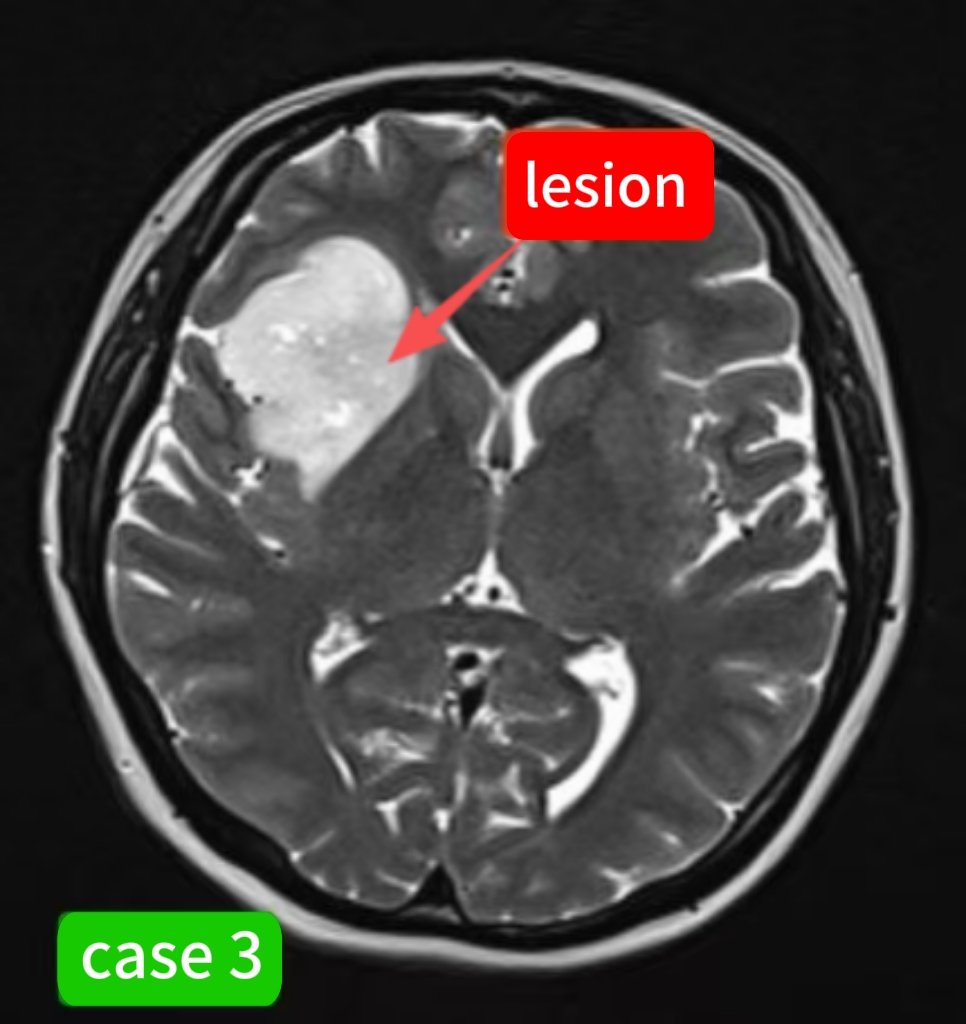
Over just two days, the Sino-German expert team successfully performed three highly complex surgeries: two for brainstem lesions and one for an insular glioma. All three patients were recovering well after surgery, with essential neurological functions well preserved.
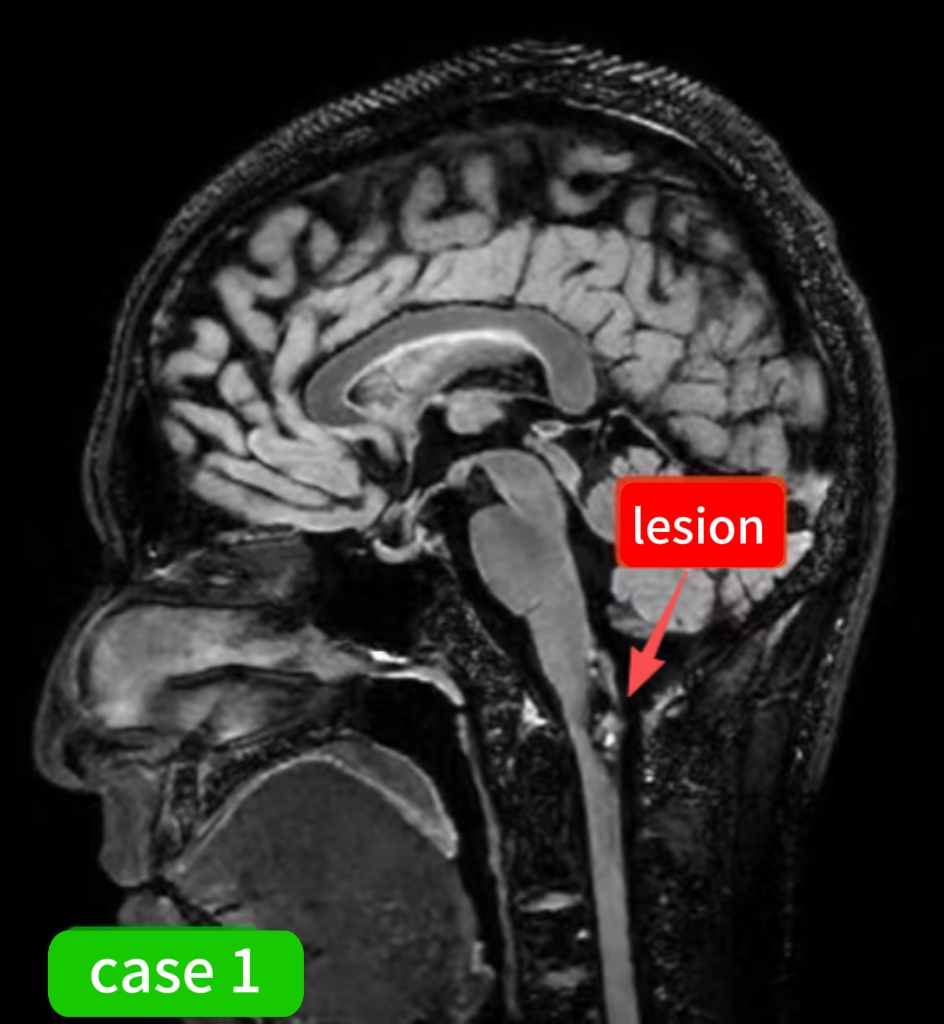
Case 1: Three Hemorrhages in Three Years
Minghao (pseudonym), at just 21, suffered from a cervicomedullary cavernous malformation. He experienced his first hemorrhage at 18 and had three episodes of bleeding over the following three years. His symptoms included left-sided facial and body numbness, diplopia, weakness when walking, hiccups when eating, dizziness, and headaches.
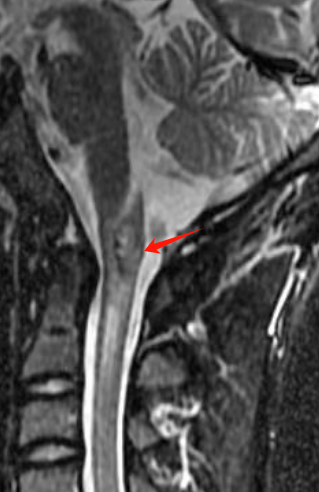
Preoperative MRI
Following a thorough assessment and extensive discussion, Professor Bertalanffy and SRRSH’s neurosurgery team developed an individualized surgical plan.
The operation went smoothly, and the lesion was completely removed. After surgery, Minghao maintained good limb mobility and demonstrated a stable recovery. “The surgery has changed the difficult situation our family has faced for three years,” his father said. Now that the dark clouds that had overshadowed Minghao’s life have cleared, a new chapter of life has finally begun.
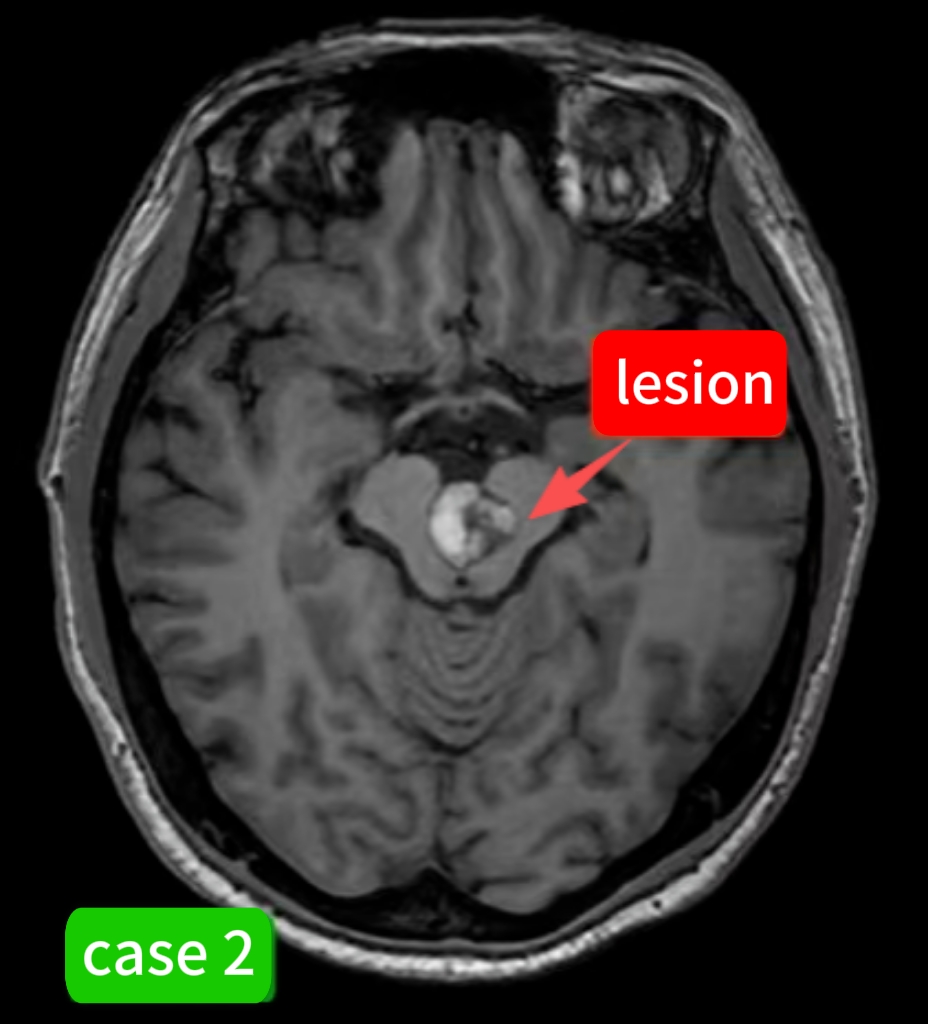
Case 2: Hemorrhage 4 Years After Treatment
Ms. Zhang (pseudonym), 34, suffered from a midbrain cavernous malformation.
Four years after her initial conservative treatment, the lesion bled again, with even greater severity: slurred speech, complete ptosis of her left upper eyelid, decreased limb strength, and an unsteady gait, leaving her dependent on family support or a wheelchair.
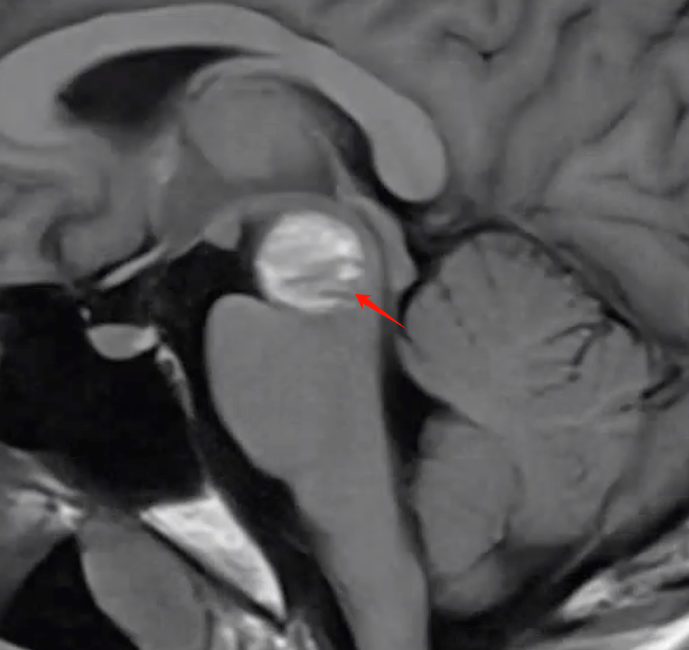
Preoperative MRI
Preoperative examinations showed that the hemorrhagic lesion had enlarged. After meticulous evaluation, Professor Bertalanffy and the team decided to perform surgery using a supracerebellar infratentorial approach. The challenge was to resect the lesion while preserving essential sensory and motor neurological functions within an extremely confined anatomical space.
The operation was performed successfully. Ms. Zhang regained consciousness with her limbs moving normally when transferred to the ICU after surgery. For a patient who had arrived in a wheelchair, this was an encouraging step toward recovery, and a source of renewed hope for her family.
Operating in Critical Brain Regions, Every Step Demands Skill and Judgment
The brainstem has long been regarded as one of the most challenging regions in neurosurgery because of the vital functions it controls. The insula likewise lies close to areas essential for language and movement.
The central challenge in these surgeries is to remove as much of the lesion as possible while preserving neurological function.
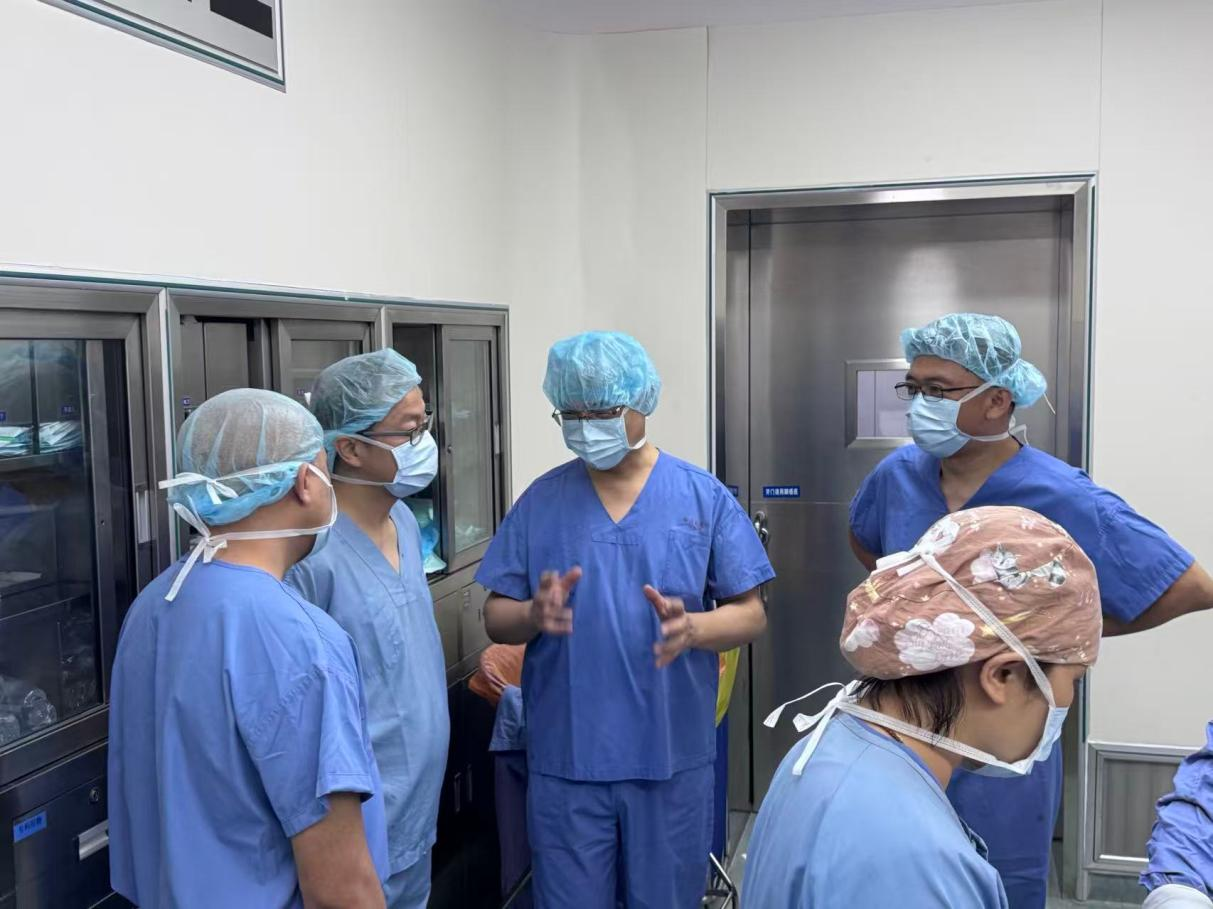
Before surgery, SRRSH’s neurosurgery team and Professor Bertalanffy reviewed imaging tests and neurological assessments in detail. They carefully evaluated potential surgical approaches, lesion boundaries, and the associated risks.
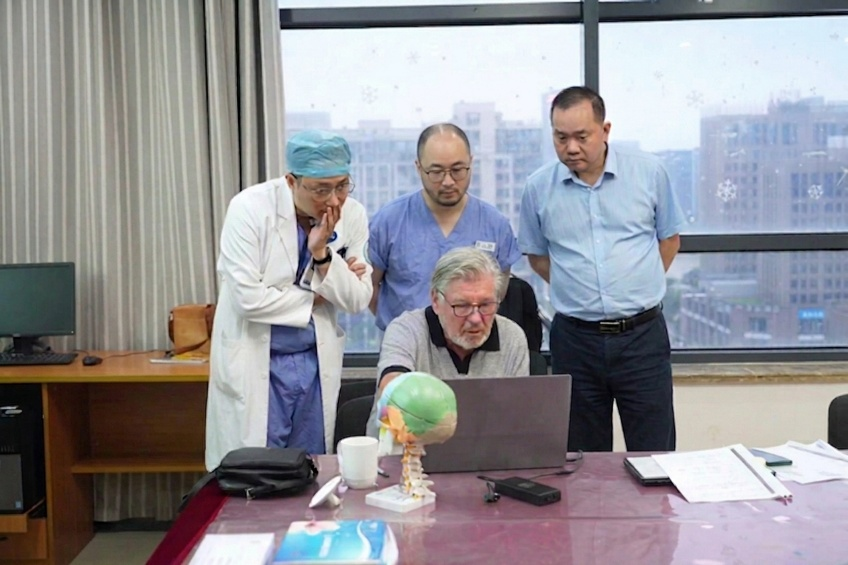
Professor Bertalanffy (lower center) and Director Yang Shuxu (right) are discussing a patient’s condition before surgery.
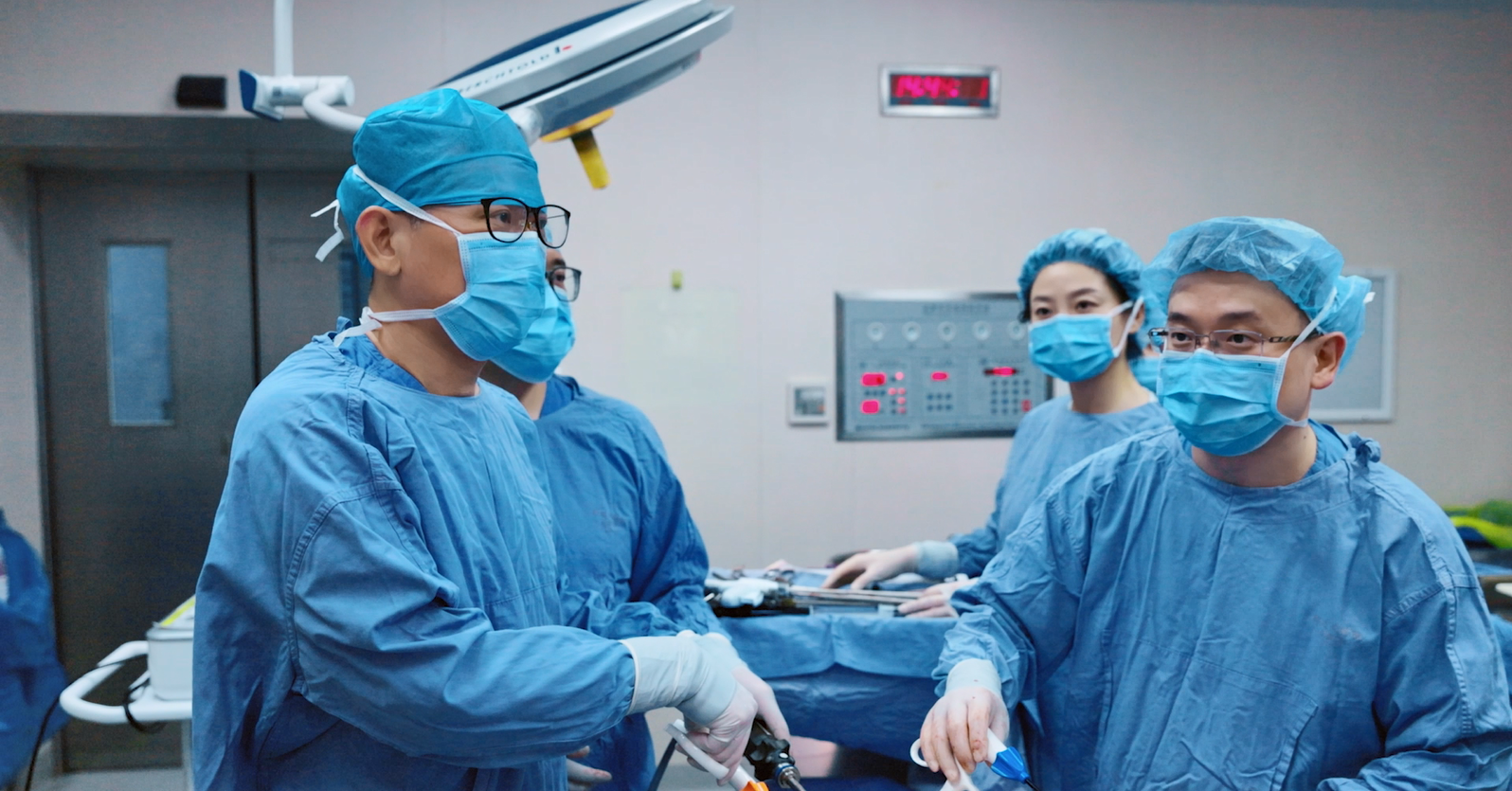
During the surgeries, the team used intraoperative neurophysiological monitoring, a neuronavigation system, and high-definition microscopic imaging to precisely locate the lesions and monitor critical neurological functions in real time.
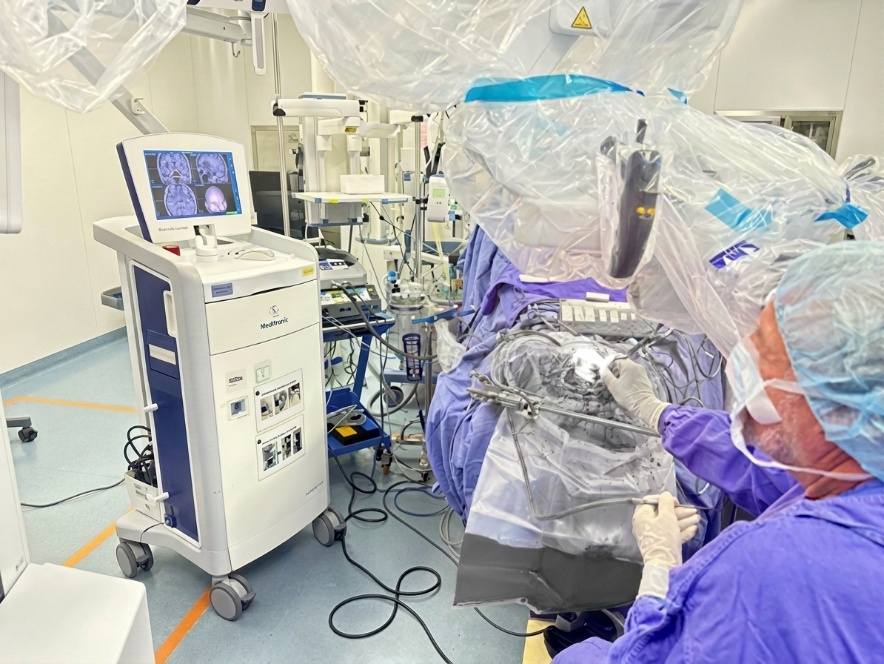
Professor Bertalanffy is using the neuronavigation system to locate a lesion during surgery.
Advanced equipment and extensive surgical experience work hand in hand. Together, they help surgeons reach lesions more precisely and bring more security and hope to patients.
Advancing Neurosurgical Care Through International Collaboration
The Department of Neurosurgery at SRRSH has been strengthening its international partnerships, refining its techniques and expanding its capabilities in the treatment of complex brain tumors and cerebrovascular disease, as well as in functional neurosurgery. The department remains committed to the ideal of minimally invasive techniques, precision, and safety, and keeps translating international advances in neurosurgical practice and technology into accessible care for patients through open exchange and collaboration.
Looking forward, the department will continue to deepen its international partnerships and enhance diagnostic and surgical standards for complex and critical cases. By taking on some of neurosurgery’s most demanding challenges, it aims to give more patients a chance at recovery and renewed hope for the future.