August.10,2026
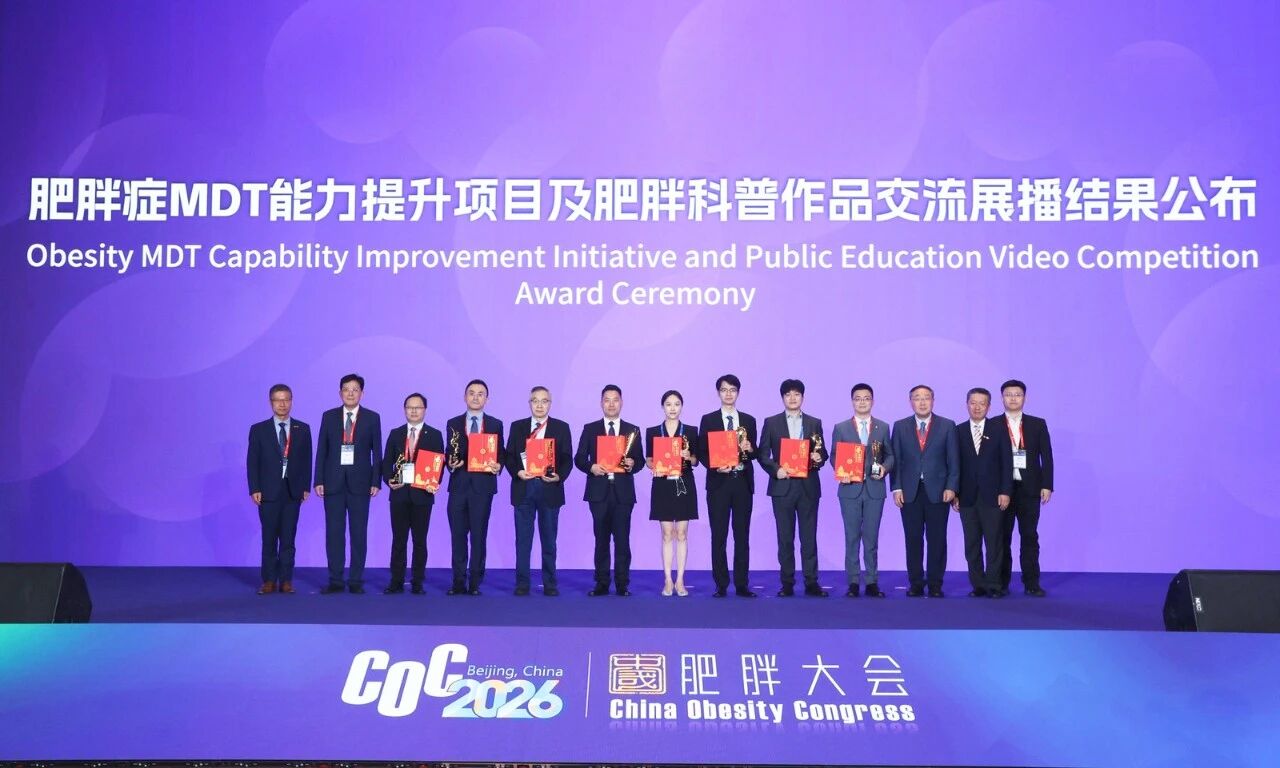
Which Scientific Weight Loss Approach Works Best? Sir Run Run Shaw Hospital's Multidisciplinary Team Wins National Championship
Read More→


 October.23,2026
"Amazing!"
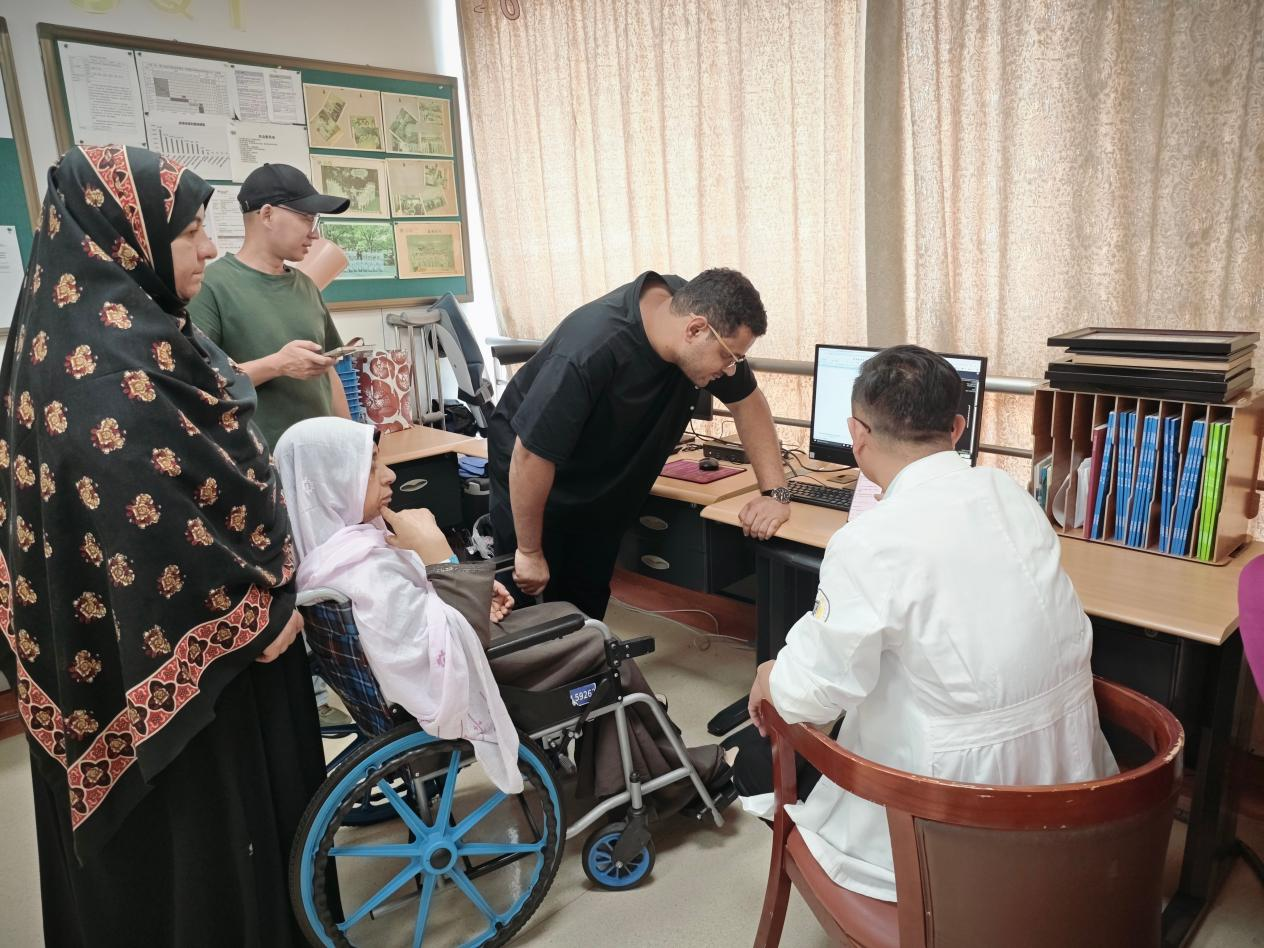
On the second day after surgery, 65-year-old Fatima (not her real name) from the United Arab Emirates stood steadily in her ward and took one careful step after another, repeating the word again and again. Just days earlier, walking had been a luxury. She relied on a wheelchair for everything.
From the UAE to Hangzhou, across thousands of kilometers, her journey from wheelchair dependence to independent walking has come to an unexpectedly happy ending, thanks to the team led by Dr. Zhao Fengdong in the Department of Orthopedics at Sir Run Run Shaw Hospital affiliated with Zhejiang University School of Medicine.
Six Years of Pain, Half a Year in a Wheelchair
Lower back pain with numbness in her right leg had tormented Fatima for six years. At first she felt only mild soreness and did not take it seriously. Although she saw local doctors, she never received systematic treatment. Half a year ago, her symptoms worsened sharply. The pain in her right hip and leg became severe, and she could no longer walk. A wheelchair became her constant companion.
The turning point came from her son, who teaches English in Hangzhou. Determined to help his mother, he brought her to China and contacted Dr. Zhao's team.
The Root Cause: A Pinched Nerve
Dr. Liu Junhui, a consultant on the team, received Fatima. He took a detailed history and found her symptoms matched neurogenic claudication: leg pain and numbness worsened during walking and eased only after sitting or lying down. Imaging confirmed the diagnosis: nerve compression caused by lumbar spinal stenosis.
The root cause lay in degenerative changes in her lumbar spine. After the spinal canal narrowed, her nerves came under sustained compression—the problem was in her lower back, but what kept her from walking was a pinched nerve.
A Small Incision Solves a Six-Year Problem
The team chose the posterior small-incision minimally invasive fusion technique, a signature procedure at the hospital. Unlike traditional open surgery, which requires extensive muscle dissection, this technique enters through natural spaces between muscles, precisely relieving nerve compression and restoring stability while preserving normal spinal structures. It means less muscle damage, less bleeding, less pain and faster recovery. Intraoperative neurophysiological monitoring also provides real-time warnings of nerve injury risk.
The surgery went smoothly. Upon waking, Fatima felt the severe pain in her right leg had eased markedly. On the second day, she walked on her own.
Behind the "Amazing"
Fatima's "Amazing" was her genuine reaction: in Hangzhou, she not only had successful surgery but walked soon afterward. Minimally invasive treatment of lower back pain has been a core focus for the Department of Orthopedic Surgery of SRRSH for over 30 years, with more than 10,000 surgeries performed annually. The posterior small-incision technique has been validated through long-term follow-up, and its advantages are systemic, not isolated.
The story also reflects OUR international reach. We are one of China's first public hospitals with an international healthcare center and have served tens of thousands of foreign patients from more than 100 countries and regions.
On discharge day, Fatima left her wheelchair behind for good. For a woman confined to a wheelchair by pain for half a year, walking out of the ward on her own two feet is the most moving answer this cross-border medical journey could offer.